Frequent spider sightings in homes
Our targeted treatments effectively eliminate spider populations, allowing you to enjoy your home without fear.
Madison Pest Control Experts with more than 15 years of experience offers expert spider control services for homeowners and businesses throughout Madison, Wisconsin, and the surrounding Dane County area. Whether you have noticed webs throughout your basement, encountered spiders repeatedly in your living areas, or discovered a species you cannot identify, we provide professional inspection, targeted treatment, and practical prevention guidance to bring the situation under control.
Most spiders found in Madison homes are harmless to people. But that does not mean a spider population inside your home is something to ignore. Heavy spider activity almost always signals an underlying insect population that is supporting them, and certain species, including the Northern Black Widow which has been documented in Wisconsin, warrant immediate professional evaluation. As locally owned and operated pest control professionals with deep familiarity with the species found in Madison and Dane County, we give you an accurate picture of what you are dealing with and the most appropriate response.
Madison's geography shapes its pest pressures in specific ways. The city sits on an isthmus between Lake Mendota and Lake Monona, encompasses Lake Wingra, and is surrounded by the extensive green corridors, parks, and natural areas of Dane County. With 6,431 acres of parkland within the city limits alone, and natural areas like the University of Wisconsin-Madison Arboretum's 520 acres of managed prairie and forest, Madison has an unusually high density of natural habitat relative to its urban footprint. These natural areas support large insect populations, which in turn support large spider populations that move into adjacent residential and commercial properties as the seasons change.
Madison also has a diverse and aging housing stock. The 2020 census recorded 126,070 housing units in the city. Many neighborhoods on the near-east side, around the isthmus, and in the historic areas surrounding the UW-Madison campus feature homes built in the early-to-mid 20th century. Older homes with less uniform construction, more gaps at the foundation level, and mature landscaping that touches the exterior walls create more entry points and more interior harborage for spiders than newer, tighter construction.
The city's extensive park network also means that many Madison properties back up to natural areas, wooded corridors, or maintained green space. Properties near the UW Arboretum, Olbrich Botanical Gardens, the Lakeshore Nature Preserve, and the many neighborhood parks distributed throughout the city's 120-plus recognized neighborhood associations tend to see more consistent spider pressure than properties in more isolated suburban settings without adjacent natural areas.
In newer suburban developments in communities like Sun Prairie, Fitchburg, Waunakee, and DeForest, new construction on previously agricultural land goes through a period of elevated pest activity as the displaced insect and spider populations in the surrounding soil and vegetation adjust to the changed environment. New homes in these areas often experience spider activity in the first few years after construction that exceeds what residents were expecting.
Before recommending any treatment, licensed technicians perform thorough inspections and use appropriate tools to identify spider activity, likely entry points, and the conditions that are supporting it.
We inspect the full exterior perimeter of the structure, paying particular attention to foundation gaps, window frames, entry points, exterior lighting (which attracts the insects spiders feed on), eave areas, wood piles, and vegetation in contact with the building. We identify active webs, egg sacs, species present, and structural conditions that are creating harborage and entry opportunities
The interior inspection focuses on the basement, crawl space, and garage as primary harborage areas, as well as utility rooms, attic access points, and any rooms with reported activity. We check behind appliances, in closets, along ceiling-wall junctions, and in undisturbed storage areas where spiders concentrate. We also look for evidence of the insect populations that are sustaining spider activity.
Identifying the species present is a critical step that shapes the treatment recommendation. The approach for a heavy common house spider population in a basement is different from the approach for wolf spiders entering from the yard, which is different again from the discovery of a black widow in a woodpile. Our technicians are trained in the identification of Wisconsin spider species and can make accurate determinations on-site.
We document inspection findings, including species identified, areas of activity, conditions contributing to the problem, and the recommended treatment approach. You know exactly what we found and what we recommend before we start anything. Even when only limited spider activity is found, we identify conditions that could support future infestations, including excessive insect activity, moisture issues, structural gaps, vegetation touching the home, and exterior lighting that attracts flying insects. We also provide practical recommendations to help reduce those conditions over time.
Our customized treatment plans address both the spider population and the conditions sustaining it. Treating spiders in isolation without addressing the insect population feeding them typically produces temporary results followed by reinfestation.
A perimeter treatment applied around the foundation and along the exterior walls creates a barrier that reduces spider entry from outside. This treatment targets the areas where spiders most commonly enter structures and where outdoor populations are most concentrated. Exterior perimeter treatment is most effective as part of a recurring program that maintains the barrier through seasonal pest activity cycles.
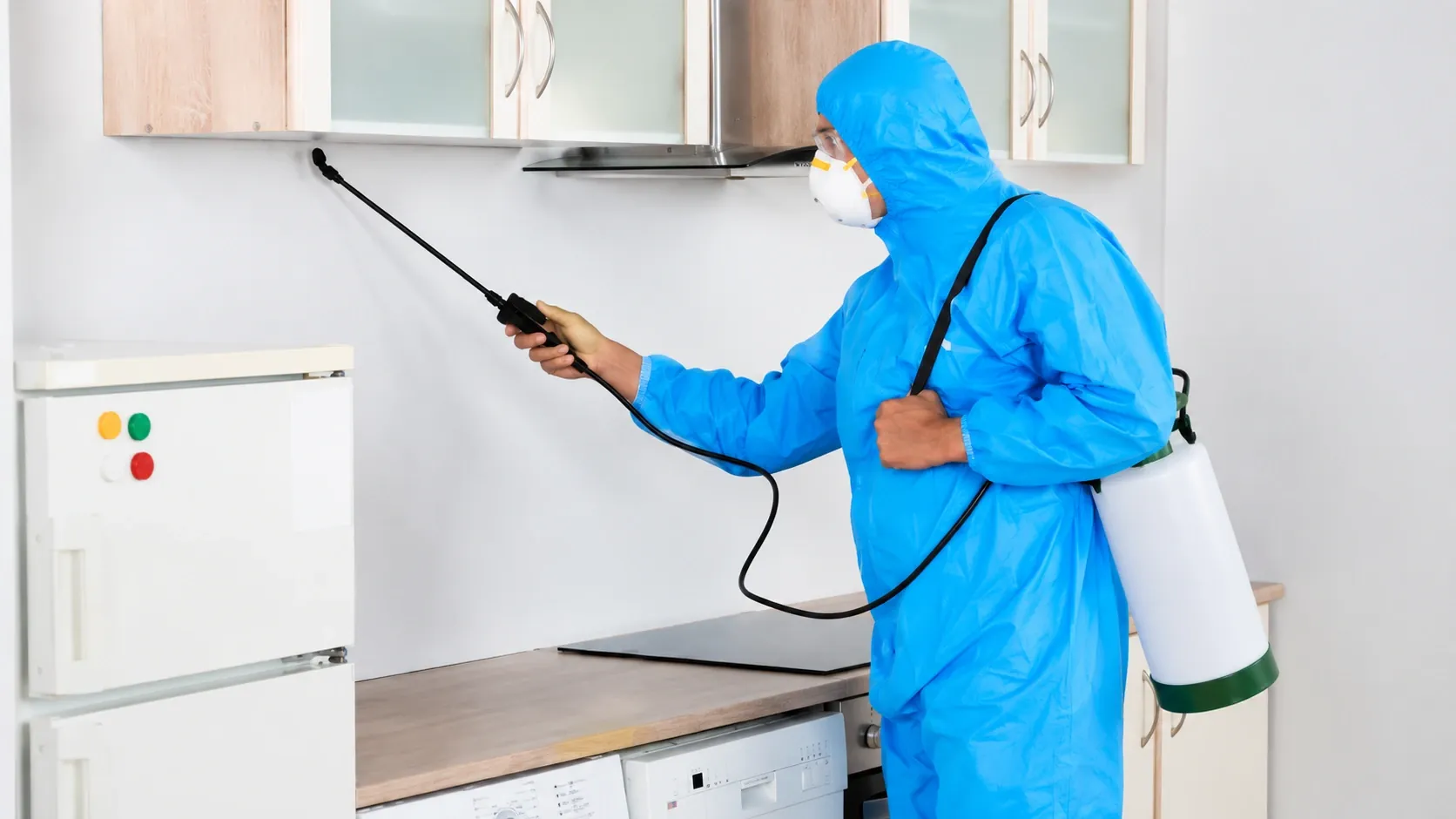
Interior treatments are targeted to the specific areas where spiders are active and reproducing. Crack-and-crevice applications, web removal as part of service, and targeted applications in harborage areas are all used depending on what the inspection reveals. We do not apply broad interior sprays unnecessarily. Every product is selected with family and pet safety as a primary consideration.
Because spiders follow their food supply, reducing the insect population inside a structure is often the most durable element of a spider management program. If the inspection identifies a significant insect population supporting spider activity, we address both populations together rather than treating the spider population alone and leaving the food source intact.
Web removal is included as part of our service visit. Removing existing webs eliminates egg sacs and reduces the established harborage that supports the current population. It also makes it significantly easier to monitor for new activity after treatment.
We start with a detailed consultation to understand your specific spider issues. Our experts assess your property and discuss potential treatment options tailored to your needs.
Our team conducts a thorough inspection of your property, identifying spider hotspots and entry points. This step is crucial for developing an effective treatment plan.
Using EPA-certified insecticides and other approved methods, we apply targeted treatments to eliminate spiders and their webs. This process is safe for your family and pets.
After treatment, we schedule follow-up visits to monitor the situation and ensure that our methods are effective. This ongoing support helps maintain a spider-free environment.
Finally, we provide you with tailored prevention strategies to help keep spiders from returning. This may include advice on home maintenance and environmental adjustments.
Our spider control services address common issues faced by Madison residents, ensuring a safe and comfortable living environment.
Ask a pro →Our targeted treatments effectively eliminate spider populations, allowing you to enjoy your home without fear.
We identify and eliminate dangerous spider species, ensuring your safety and peace of mind.
Our cleaning and treatment services remove webs and prevent new ones from forming, keeping your home tidy.
“After struggling with a spider problem for months, I called Madison Pest Control Experts. Their team was professional and effective. I haven't seen a spider since their treatment!”
Sarah T.Homeowner, Madison
✓ Verified“We had a serious spider infestation at our office. The team came out quickly and provided a thorough inspection and treatment. Highly recommend their services!”
Mark L.Business Owner, Fitchburg
✓ Verified“I was terrified of spiders and found several in my apartment. Madison Pest Control Experts were prompt and understanding, and their treatment worked wonders!”
Emily R.Tenant, Waunakee
✓ VerifiedA sudden increase in visible spider activity is usually explained by one of a few things. In fall, as outdoor temperatures drop, spiders that have been living outside begin seeking sheltered overwintering locations and may enter structures in higher numbers. A significant increase in indoor insect activity, sometimes from a pest introduction you may not have noticed, can support a spider population that grows until it becomes visible. Construction or landscaping work near the foundation can also displace outdoor spider populations toward the structure. A professional inspection identifies which factor is driving the increase and what the most effective response is.
The most durable approach addresses both the spider population and the conditions sustaining it. That means exterior perimeter treatment to reduce spider entry, targeted interior treatment in harborage areas, web and egg sac removal, and reduction of the insect population that is feeding the spiders. Without addressing the food source, spider populations tend to rebound after treatment because the conditions that brought them in are still present. We assess all of these factors during the inspection and build the treatment plan around what we find.
Consumer spider sprays can knock down spiders they contact directly. The limitations are that they typically do not provide meaningful residual protection in the areas spiders actually live, they do not address the conditions producing spider activity, and spiders are less susceptible to residual insecticides than most insects because they walk on their leg tips rather than dragging their bodies through treated surfaces. For a minor spider presence in a specific area, consumer products can provide some relief. For an established spider population in a basement, crawl space, or throughout multiple areas of a home, professional treatment consistently produces better and more lasting results.
The duration of effectiveness depends on the treatment method used, the conditions in and around the property, and whether the insect food source has been reduced. Exterior perimeter treatments typically remain active for four to eight weeks under normal conditions, after which weather, UV exposure, and surface type affect residual activity. Interior treatments in protected areas can last longer. For properties with consistent spider pressure, a recurring preventive program that maintains treatment coverage through seasonal activity peaks produces significantly better long-term control than single-visit reactive treatment.
If you have any questions or need pest control services, feel free to reach out. Our team is available to assist you with prompt responses and expert advice.